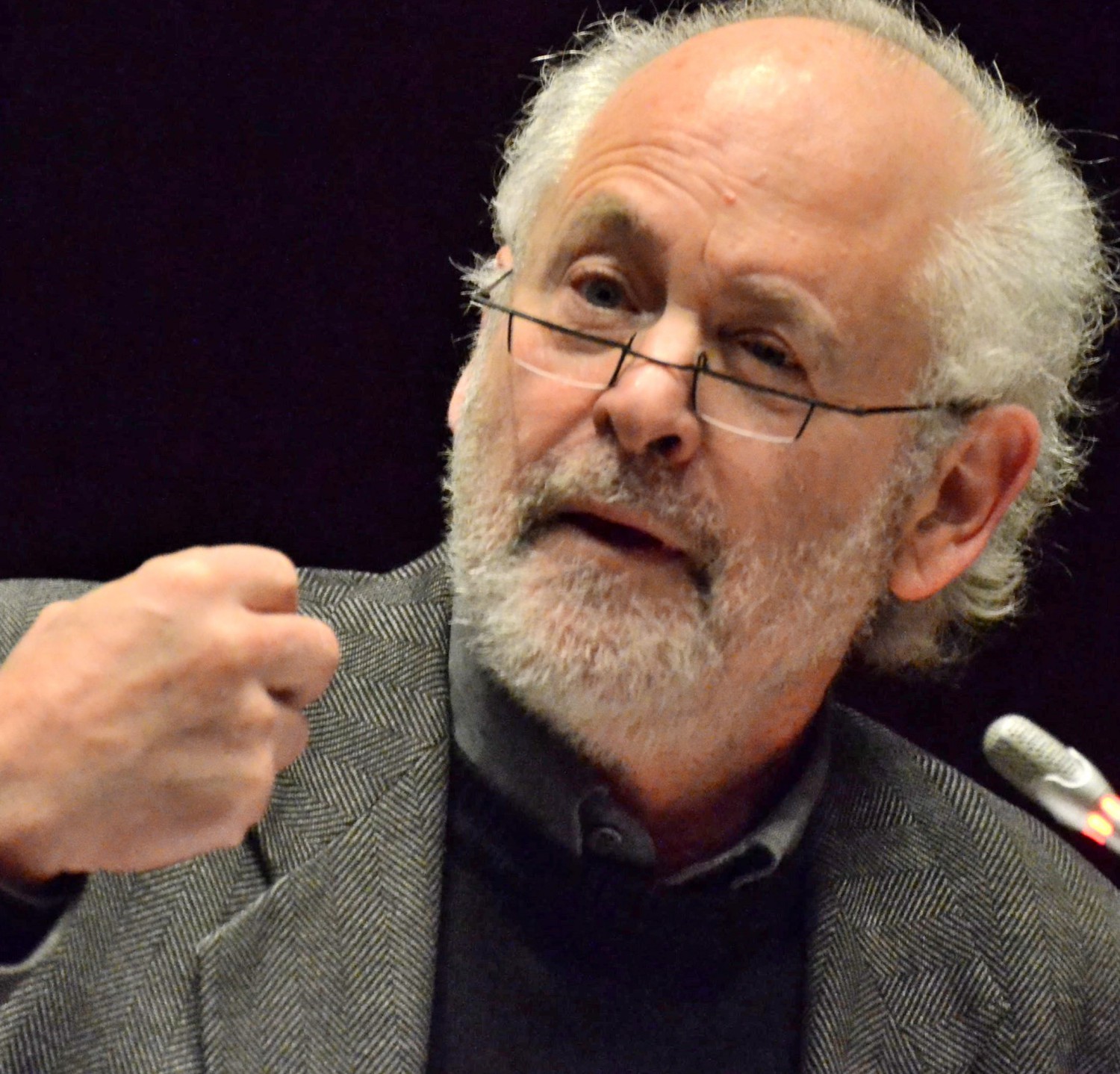
Another take on the alleged rape or ‘consensual’ sex engaged in by Zwelinzima Vavi in COSATU HQ. While I think the writer brings some insights that have not been in the debate, the power relationship seems somehow to be lost in the various discourses that the writer examines. While ‘discursive tension’ may stifle debate, without detracting from what the contribution reveals, does it open that debate on Vavi’s actions, any further than it has been up till now?
Category Archives: Raymond Suttner writings
Raymond Suttner, Power and sexual encounters in the work place
The recent rape allegations against Zwelinzima Vavi, General Secretaty of COSATU has led to a range of arguments, which obscure the character of the sexual encounter, Continue reading
Sisonke Msimang, Who killed Pinky Mosiane?
This article demonstrates how the regulations stipulating that women be employed underground in the mines, is not supported by measures to protect them from sexual abuse. The murder of Pinky Mosiane has not been properly investigated nor has Anglo American or the National Union of Mineworkers taken firm steps to see that justice is done. While women working underground are especially vulnerable it is part of an overall situation where most women report sexual harassment at the workplace in South Africa
http://www.dailymaverick.co.za/opinionista/2013-08-01-who-killed-pinky-mosiane/#.UfniGY03ByU
Niki Moore,Anatomy of an assassination
Political assassinations are becoming a fairly routine part of political life in a number of provinces and many of the victims are alleged whistleblowers exposing corruption in the provision of housing and other basic rights. It is part of a broader subversion of constitutionalism and widespread resort to violence to implement private goals, albeit as leaders at various levels of the ANC.
http://www.dailymaverick.co.za/article/2013-07-31-kzn-anatomy-of-an-assassination/#.UfkmfhbH0y5
Raymond Suttner: Arundhati Roy on the buying off of Mandela and ANC by big capital: The engaged intellectual cannot empower people where there is no humility
According to Arundhati Roy, in part of a talk published on You Tube, 12 June 2013 when the struggle in South Africa ‘started ‘it was the Black consciousness (BC) people who were most powerful Continue reading
Raymond Suttner: Understanding contemporary South Africa requires careful study
No matter how shocking the evidence of corruption in contemporary South Africa may be Continue reading
Raymond Suttner, The Problem of terminology in South Africa
When one talks about terminology that one prefers one risks being accused of being ‘precious’ or trying to be ‘politically correct’, Continue reading
Raymond Suttner, Nelson Mandela as a model of manhood
Whereas earlier studies of gender concentrated on women, recent decades have seen a flourishing of literature on masculinities, Continue reading
Raymond Suttner, Notions of manhood: Initiation tragedies should not blind us to dangers beyond those that are part of public discourse
The ANC and the Minister of Health have correctly deplored the spate of deaths resulting from initiation practices, in the Eastern Cape and other areas. Continue reading
Raymond Suttner, Why grieve over Mandela’s imminent passing?
I try to understand why I am so upset about Mandela’s imminent passing. Continue reading
Raymond Suttner, The influence of Walter Sisulu and Moses Kotane in moulding the political development of Nelson Mandela
There is no doubt that Mandela was at times after his release more popular than the ANC and that he could sometimes act without organisational authority. Continue reading
Raymond Suttner, What did it mean when Mandela said he was willing to die? What does it mean for us in our own lives?
Possibly the closing words of Nelson Mandela’s statement from the dock as ‘accused number one’ in the Rivonia trial are amongst the most quoted in political history. Continue reading
Raymond Suttner, Makhanda and the 1819 war (unpublished, originally written in prison, 1979)
This was written in prison in 1979 when we celebrated the ‘year of the spear’. Continue reading
 Raymond Suttner